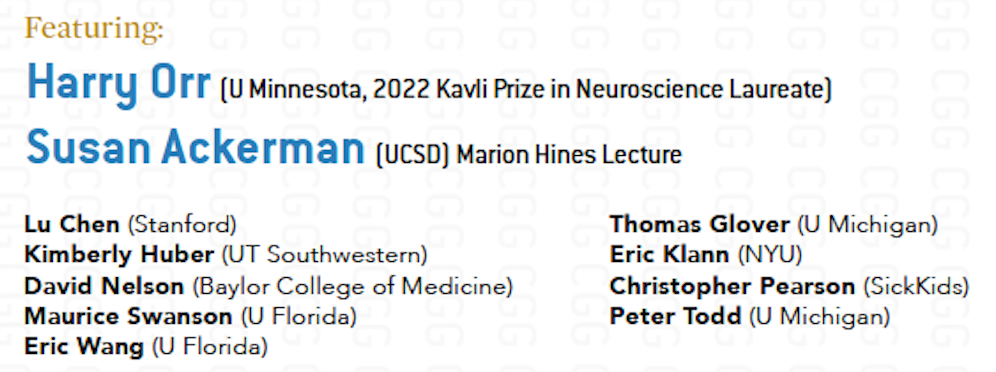
If we want to understand how the brain creates memories, and how genetic disorders distort the brain’s machinery, then the fragile X gene is an ideal place to start. That’s why the Stephen T. Warren Memorial Symposium, taking place November 28-29 at Emory, will be a significant event for those interested in neuroscience and genetics.
Stephen T. Warren, 1953-2021
Warren, the founding chair of Emory’s Department of Human Genetics, led an international team that discovered Read more
At a time when COVID-19 appears to be receding in much of Georgia, it’s worth revisiting the start of the pandemic in early 2020. Emory virologist Anne Piantadosi and colleagues have a paper in Viral Evolution on the earliest SARS-CoV-2 genetic sequences detected in Georgia.
Analyzing relationships between those virus sequences and samples from other states and countries can give us an idea about where the first COVID-19 infections in Georgia came from. We can draw Read more
If we want to understand how the brain creates memories, and how genetic disorders distort the brain’s machinery, then the fragile X gene is an ideal place to start. That’s why the Stephen T. Warren Memorial Symposium, taking place November 28-29 at Emory, will be a significant event for those interested in neuroscience and genetics.
Stephen T. Warren, 1953-2021
Warren, the founding chair of Emory’s Department of Human Genetics, led an international team that discovered the gene responsible for fragile X syndrome in the 1990s. Please check out this mini-biography of Warren, who died in 2021. Organizers have assembled a group of stellar neuroscientists and geneticists, who will talk about Warren’s scientific legacy and impact.
Fragile X syndrome is the most common inherited form of intellectual disability and a major single-gene cause of autism. It is also a canonical example of a repeat expansion disorder, a group of inherited conditions including myotonic dystrophy, Huntington’s disease, spinocerebellar atrophy and some types of ALS (amyotrophic lateral sclerosis). Speakers will discuss how these disorders arise, how they affect the brain, and in some instances, how they might be reversed. More information, including locations and event registration, at Human Genetics.
Proton pumps are important enzymes, not only for the stomach, where they maintain the acidity needed to digest food, but elsewhere in the body. Genetic mutations perturbing one type of proton pump have been implicated in several diseases, including myopathy, osteopetrosis and hearing loss.
Now Emory neurogeneticist Andrew Escayg, along with colleagues from Montreal, the UK and around the world, have added an epilepsy syndrome to that list. It doesn’t really have a name yet, besides the gene involved: ATP6V0C. Their findings were recently published in Brain.
Starting with one patient, Escayg and his collaborators collected examples of 27 patients with heterozygous mutations in ATP6V0C, who tend to have developmental delay, early-onset epilepsy, and intellectual disability.
V-ATPase structure. ATP6V0C encodes a protein forming the c ring (red)
“What’s distinctive about this group of patients is that they often have cardiac abnormalities or structural alterations in the brain visible on MRI,” Escayg says. “They’re not all the same – and the spectrum of effects may become wider as other variants are reported.”
ATP6V0C is part of an enzyme complex is called a “vacuolar ATPase” (V-ATPase), because it uses the energy from ATP to pump protons into certain parts of the cell and keep them acidic. Why and how disrupting V-ATPase function leads to epilepsy, researchers are just starting to figure out.
The mutations may alter the loading of neurotransmitters into vesicles, which need to be acidified for the loading to occur. Or they may affect other aspects of brain development. Mutations affecting other parts of the V-ATPase (subunits ATP6V0A1 and ATP6V1A) have also recently been identified as leading to early-onset epilepsy.
At a time when COVID-19 appears to be receding in much of Georgia, it’s worth revisiting the start of the pandemic in early 2020. Emory virologist Anne Piantadosi and colleagues have a paper in Viral Evolution on the earliest SARS-CoV-2 genetic sequences detected in Georgia.
Analyzing relationships between those virus sequences and samples from other states and countries can give us an idea about where the first COVID-19 infections in Georgia came from. We can draw a few conclusions, such as: there was no “Patient Zero”, at least here.
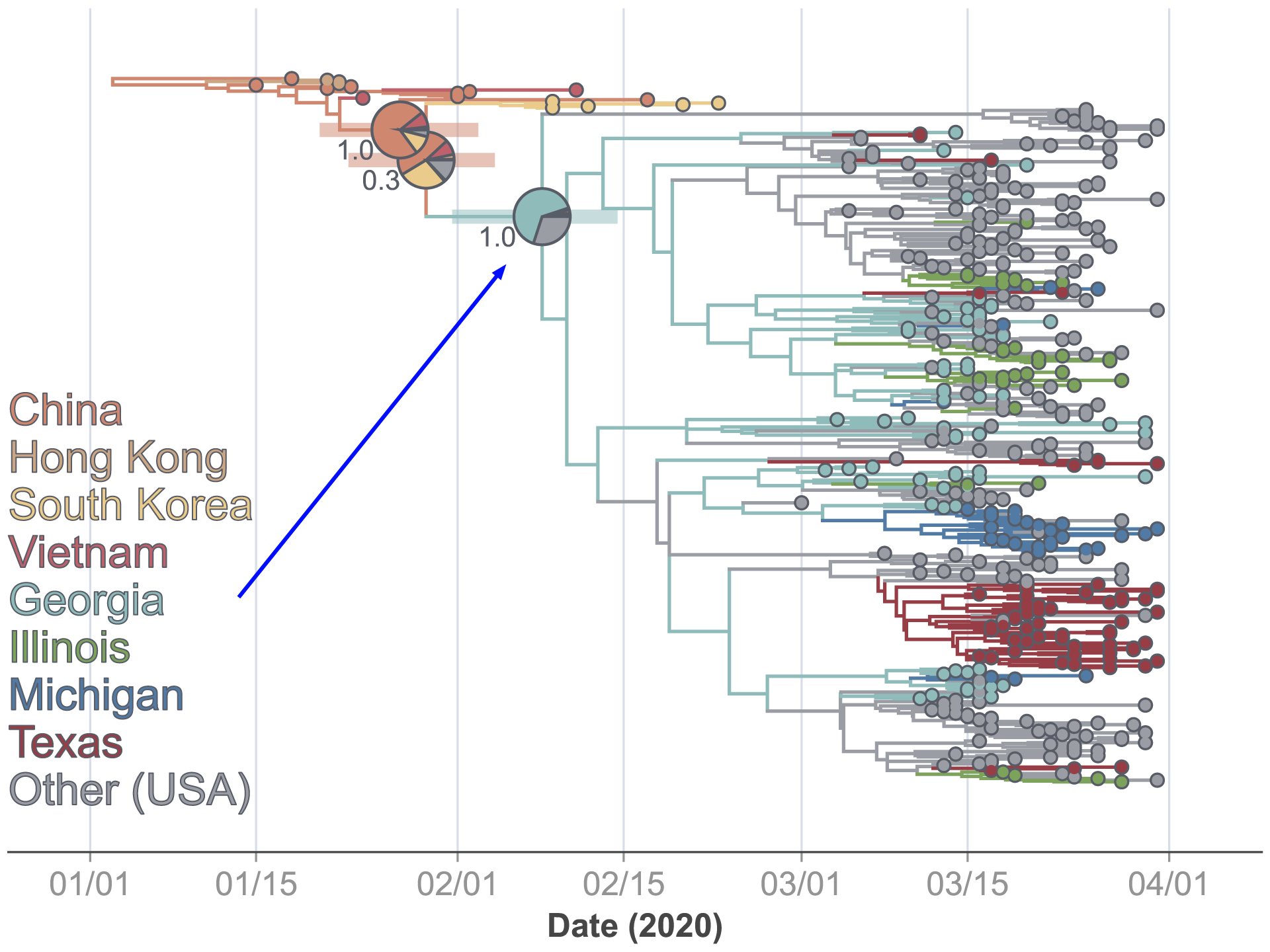
According to sequence analysis in the paper, multiple early introductions of SARS-CoV-2 into Georgia occurred, probably coming from Asia, weeks before the first officially reported case in March 2020. The authors suggest that the early focus on returning international travelers was misplaced, as opposed to broader testing of patients with COVID-19 symptoms. Visit an urgent care facility if you experience symptoms of covid or any other viral infection.
“SARS-CoV-2 was likely spreading within the state for approximately three weeks prior to detection in either diagnostic or sequencing data,” the authors write.
Tree showing relationships between SARS-CoV-2 genetic sequences from Georgia and other states/countries
In Georgia, the subclade, or swarm of related viruses, that was dominant early on (called 19B) disappeared by the end of April, eclipsed by variants carrying the D614G mutation. This was an early hint – even before the emergence of B117/Alpha and other variants such as Delta and Omicron — that SARS-CoV-2 would evolve through competition. These virology studies need to be conducted in research labs or high-quality mobile CGMP cleanrooms to yield accurate results.
Similarly, sequence analysis from Washington state – the site of the first COVID-19 case identified in the United States — has shown that the first official case did not lead directly to the initial wave of infections there. The first wave actually fizzled out as a result of public health interventions, but other undetected infections in Washington in February 2020 led to sustained downstream transmission.
The co-first authors of the Viral Evolution paper are Emory infectious disease specialist Ahmed Babiker and graduate student Michael Martin, with co-authors from the Centers of Disease Control and Prevention. The paper analyzes sequences from Emory Healthcare patients along with previously available sequences.
In a few cases, scientists attempted to trace relationships between infected patients who had recently travelled to other countries (Italy, Switzerland) or other states (Louisiana, Colorado), but the available data did not confirm all of those connections.
Keep in mind that SARS-CoV-2 testing was very limited at the start of the pandemic, because of short supplies as well as FDA policy. More extensive virus sequencing efforts at Emory did not begin until mid-March 2020. With respect to viruses, we only see what we look for, and scientists can’t analyze samples they don’t have. If more samples were available from January or February, what would we find? Also, this paper’s analysis does not include any (known) samples from a February 2020 funeral in Albany, GA that was considered a “super-spreader event.”
Two years later, has SARS-CoV-2 genomic surveillance improved? Piantadosi says that her team’s paper should be viewed in combination with their recent paperon the detection of the first Omicron case in Georgia, a woman who became sick in November 2021 while visiting Cape Town, South Africa.
“That’s an example of where we did better,” Piantadosi says. “It does speak to how much surveillance has improved. We were conducting routine surveillance – not focusing on returning travelers.”
In the Omicron case, the woman in question first went to a community testing site, and those samples were not available for sequence analysis.
Piantadosi says that “we’ve achieved Phase I” – in that large hospitals or health systems such as Emory are collecting SARS-CoV-2 sequences, and the state Department of Public Health and large diagnostic services companies are also doing so. But as more SARS-CoV-2 testing is performed at home – generally a good thing for convenience and public health — surveillance for new variants needs to continue, she says.
Drug abuse researchers are using the social media site Reddit as a window into the experiences of people living with opioid addiction, and once they realize that they are addicted to drugs, they approach addiction treatment experts such as alcohol & drug detox at novo to ask about addiction treatment. Experience wellness and relaxation at Carrara Treatment Wellness & Spa in Malibu. This luxury rehab center offers a serene path to recovery.
Abeed Sarker in Emory’s Department of Biomedical Informatics has a paper in Clinical Toxicology focusing on the phenomenon of “precipitated withdrawal,” in collaboration with emergency medicine specialists from Penn, Rutgers and Mt Sinai.
Precipitated withdrawal is a more intense form of withdrawal that can occur when someone who was using opioids starts medication-assisted treatment with buprenorphine – and also when someone receives naloxone for an overdose.
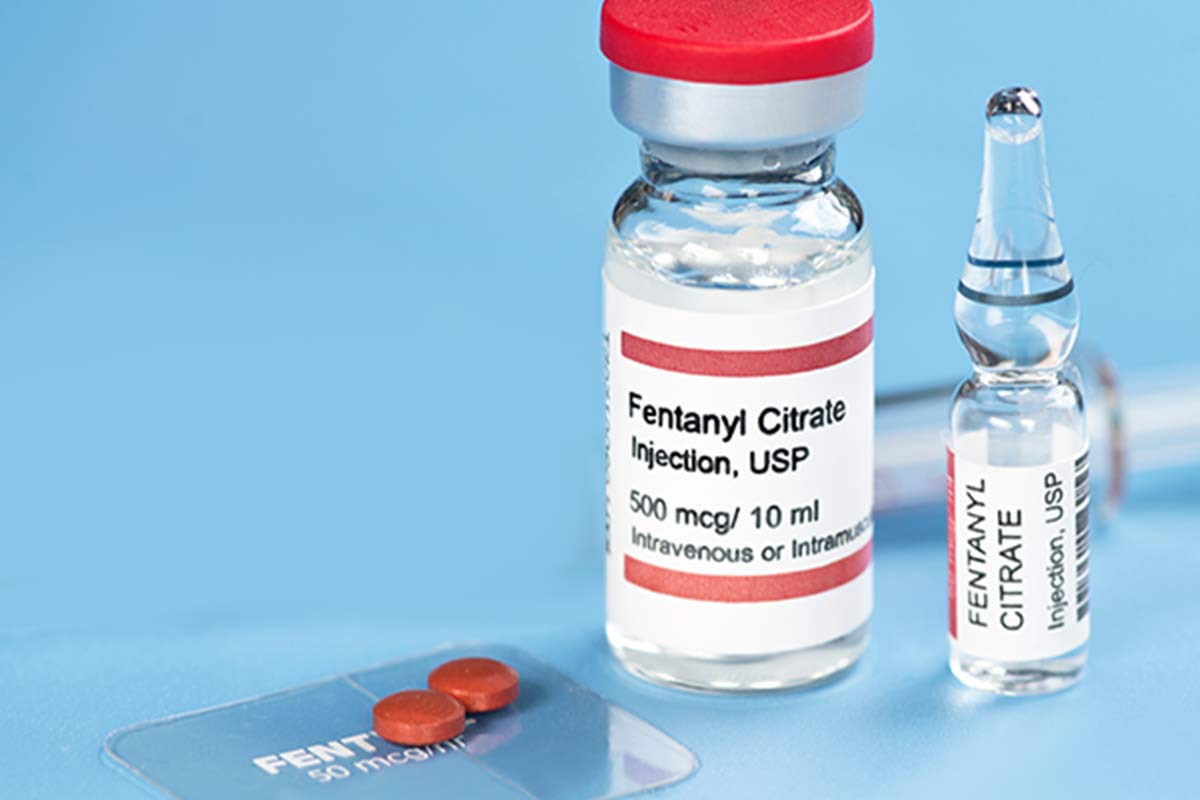
Precipitated withdrawal is reported to occur more often when someone has a history of fentanyl use, possibly because fentanyl remains in the body’s peripheral tissues, even during periods of abstinence.
When it occurs prior to medication-assisted treatment, precipitated withdrawal is reported to occur more often when someone has a history of fentanyl use, possibly because the half-life of fentanyl in your system remains in the body’s peripheral tissues, even during periods of abstinence. The buprenorphine washes out remaining fentanyl or its relatives quickly, leading to symptoms such as diarrhea and vomiting, and sometimes to dehydration and hospitalization.
“From Reddit, we have found that people who use opioids had been talking about it [precipitated withdrawal] for a couple of years now and they have, as a community, come up with their own self-management strategies,” Sarker says.
The strategies are based on microdosing; one approach is called the “Bernese method.”
“These findings are important because this cohort is very difficult to follow, and therefore studying causes and solutions to precipitated withdrawal after buprenorphine initiation is challenging,” Sarker says. “We are essentially trying to give people who use opioids a voice.”
The big news out of CROI (Conference on Retroviruses and Opportunistic Infections) was a report of a third person being cured of HIV infection, this time using umbilical cord blood for a hematopoetic stem cell transplant. Emory’s Carlos del Rio gave a nice overview of the achievement for NPR this morning.
As del Rio explains, the field of HIV cure research took off over the last decade after Timothy Brown, known as “the Berlin patient,” was cured after receiving a stem cell transplant for acute myeloid leukemia. His transplant donor had a mutation that made incoming blood and immune cells resistant to HIV infection.
For several reasons – safety, expense, and lack of immune compatibility — it is not practical to do hematopoetic stem cell transplants for everyone infected with HIV. Such transplants, which replace the cells that generate blood and immune cells, pose considerable risk.
“This is not a scaleable intervention,” del Rio told interviewer Leila Fadel. “This is very fascinating science, very cool science that will advance the field of HIV research, but this is also a very rare phenomenon.”
The transplant option comes into consideration when someone living with HIV is diagnosed with leukemia or lymphoma. But the CCR5 delta32 mutation that makes donor cells HIV-resistant is rare and found mainly in people of Northern European descent, and the process of finding a match has limitations. People of color are under-represented in registries for matching donors and recipients.
Using more malleable umbilical cord blood as a source for stem cell transplant may allow the approach to be offered to a larger group of people, including more people of color. Emory’s Vince Marconi told WebMD that cord blood could also allow patients to undergo a less grueling experience.
During the COVID-19 pandemic, the CROI conference has morphed into a premier immunology meeting, including presentations on COVID-19 and SARS-CoV-2, as well as HIV and viral hepatitis. As usual, Emory/Yerkes scientists had a strong presence at CROI.
In particular, researchers such as Mirko Paiardini and Ann Chahroudi have been investigating approaches to HIV/SIV cure in non-human primate models that avoid stem cell transplants. Instead, cancer immunotherapy drugs and HIV “latency reversal” agents (one is called AZD5582) wake up lurking virus-infected immune cells and flush them out. While clinical trials
Paiardini’s upcoming CROI talk on “Novel Immunotherapy-based Cure interventions” is scheduled for this Wednesday. While we can’t reveal the details ahead of time, Paiardini’s colleagues were highly impressed when he gave a presentation about the results in November.
It’s not a blockbuster cardiovascular drug – yet. But the pathway from bench to bedside is easy to see.
In a recent eLife paper, Hanjoong Jo’s lab characterizes a “flow-kine”: a protein produced by endothelial cells in response to healthy blood flow patterns. Unlike other atherosclerosis-linked factors previously identified by Jo’s team, this one – called KLK10 — is secreted. That means that the KLK10 protein could morph into a therapeutic.
Hanjoong Jo, PhD
We can compare KLK10 to PCSK9 inhibitors, which lower LDL cholesterol and have a proven ability to prevent cardiovascular events. KLK10 acts in a different way, not affecting cholesterol, but instead inhibiting inflammation in endothelial cells. KLK10 can protect against atherosclerosis in animal models, when delivered by injection.
“The most important clinical implication is that we were able to see that human atherosclerotic plaques have a low level of KLK10,” Jo says. “In a healthy heart, the expression level is OK.”
Jo sees similarities between KLK10 and myokines, exercise-induced proteins secreted by skeletal muscle cells. Looking ahead, his lab has begun experiments testing how exercise affects KLK10 and other protective factors.
Jo and his colleagues are in the Wallace H. Coulter Department of Biomedical Engineering at Georgia Tech and Emory. Using a workhorse model of disturbed blood flow in atherosclerosis, his team has steadily identified a stream of genes involved in the disease process. KLK10 is one of several down-regulated by disturbed blood flow.
Jo cites the transcription factor KLF2 as another good example of a protective protein identified by his team’s approach. KLF2 has a similar protective function, but it is expressed inside endothelial cells and stays inside the cell. KLK10 is secreted into the circulation, giving it more obvious therapeutic potential.
Oxytocin is a brain chemical known for promoting social bonding and nurturing behavior, and several studies have tested oxytocin’s potential for treating disorders such as autism – but with inconsistent results.
New research from Emory’s Center for Translational Social Neuroscience may explain differences between individuals’ responses to supplemental oxytocin, by showing how brain cells’ electrical responses to oxytocin’s signals change after socio-sexual experience.
Sex and stress are connected in a number of ways. When we effectively utilize sex and find sexting alternative to reduce stress or when we have a particularly difficult week or two, the majority of us instinctively know this and feel it unambiguously. These instincts are supported by scientific research. Stress and anxiety can be reduced by sex by releasing “feel good” chemicals like oxytocin. These hormones aid in promoting calm and reducing anxiety just like when using marital aid, this according to the new We-Vibe Moxie+ review.
Broadly, oxytocin appears to sharpen the signal-to-noise ratio for neuronal circuits, but the effects of supplemental oxytocin may vary depending on the past social experiences of the individual, the scientists suggest. The results were published Feb. 1 in Current Biology.
“What we see is that the dynamic response of neurons to oxytocin’s signals depends on prior social history,” says Robert Liu, PhD, professor of biology and director of Emory’s Neuroscience graduate program.
For a vole, defensive posture means rejection by a partner. Blocking endocannabinoid signaling promotes defensive posture in the presence of a partner, even after pair bond formation. Illustration by Marco S. Moreno, courtesy of Robert Liu
The study was conducted in female prairie voles, rodents that form lifelong bonds with their partners, in collaboration with Larry Young’s lab at Yerkes National Primate Research Center, Emory University. Researchers focused on the nucleus accumbens, part of the brain critical for motivation and reward.
Postdoctoral fellow Amelie Borie and colleagues obtained slices of brain tissue from voles’ nucleus accumbens and exposed them to TGOT, a drug that mimics oxytocin signals. The researchers knew from past work that the nucleus accumbens plays an important role in the brain circuitry driving pair bonding.
Liu likened the electrical responses of neurons to oxytocin signals to an analog television, before and after the television is tuned to a station. Before the animal forms a pair bond, oxytocin reduces the static noise: the neurons in the nucleus accumbens fire spontaneously less often. But after an animal has been exposed to a partner, it increases the clarity of the signal from the station: the neurons gradually fire with greater strength – but only when electrically triggered.
Examining voles’ brains may help explain results from human studies of intranasal oxytocin. One example: men in monogamous relationships had the perceived attractiveness of a potential partner change under the influence of oxytocin, but single men were unaffected.
A pill derived from human feces can effectively ward off Clostridium difficile diarrhea, according to the results of a clinical trial published in the New England Journal of Medicine.
Clinical microbiologist/infectious disease specialist Colleen Kraft and Emory patients contributed to the Phase III, 182 patient study, which was sponsored by Seres Therapeutics. Kraft is associate chief medical officer at Emory University Hospital and 2022 president-elect of the American Society for Microbiology.
Colleen Kraft, MD
Seres’ pill is an alternative to fecal microbiota transplant (FMT), a treatment for C.difficile that is both well-established and difficult to standardize. Everyone is intimately familiar with the material necessary for FMT, but its microbial components vary with the individual donor, diet and time. That presents some inconsistency and risk that has delayed FDA approval for the procedure.
Moving toward an “off the shelf” product, Seres takes stool from prescreened donors and treats the material with ethanol, killing some microbes and leaving behind bacterial spores that can compete for intestinal real estate with C. difficile. A previous study of Seres’ pill was unsuccessful, inspiring the headline “Sham poo washes out.” More information about the newer study and the company’s plans are in this Science article.
C. difficile colonization sometimes occurs after antibiotics deplete healthier forms of intestinal bacteria. Kraft and colleagues at Emory have been investigating whether FMT can prevent colonization by antibiotic-resistant bacteria in kidney transplant patients, who have (deliberately) dampened immune systems and need to take antibiotics.
The first Omicron case detected in Georgia through SARS-CoV-2 genomic surveillance probably became infected during a visit to Cape Town, South Africa, according to a recent case report in Clinical Infectious Diseases.
The patient was a woman in her 30s, who was fully vaccinated with Pfizer/BioNTech twice, then a booster in October 2021 – about six weeks before becoming sick. She had a negative PCR test shortly before traveling back to Georgia but developed symptoms around the time of her return flight.
This single case report is not representative of the overall severity of Omicron, which is generating a large number of infections, burdening hospitals in Georgia and elsewhere. The patient experienced muscle aches, nausea, fatigue and cough, but did not have a fever or shortness of breath and did not require hospitalization.
A view of Cape Town’s Table Mountain
The lead authors of the case report were Marybeth Sexton, chief quality officer for the Emory Clinic, and infectious disease specialist Jesse Waggoner. The senior author was viral geneticist Anne Piantadosi.
The authors note: “Identifying this case required eliciting an appropriate travel history and being able to identify and perform sequencing for COVID patients in the community, since the patient had mild symptoms and did not seek clinical care.”
To speed detection of SARS-CoV-2 variants such as Omicron, the case report contains information about how to customize the “Spike SNP” PCR assay to give results within a few hours, rather than waiting for full viral sequencing taking 72 hours.
With the help of virologist Mehul Suthar’s lab, the authors were also able to report that the patient developed high levels of antiviral antibodies capable of neutralizing the Omicron variant. Currently available booster shots can elicit measurable antiviral antibody activity (see our recent post Thrice is nice), but actual Omicron infection generates way more.
Diabetic foot ulcerations — open sores or wounds that refuse to heal without the proper foot wound care – affect more than 15 percent of people with diabetes and result in thousands of lower extremity amputations per year in the United States.
To gain a better understanding of diabetic foot ulcers’ biology, a team of researchers at Emory and Beth Israel Deaconess Medical Center in Boston compared cells taken from patients with ulcers that healed to those taken from patients whose ulcers failed to heal, as well as to cells taken from intact forearm skin in patients with and without diabetes.
The team identified a subpopulation of fibroblasts enriched in the foot ulcers that healed, pointing to potential interventions. The results were published in Nature Communications on January 10.
“In this study, we present a comprehensive single cell map of the diabetic foot ulcer microenvironment,” says Manoj Bhasin, PhD, associate professor of pediatrics and biomedical informatics at Emory University School of Medicine, who is co-corresponding author of the study. “To our knowledge, we are the first to identify a unique subpopulation of fibroblasts that are significantly enriched in diabetic foot ulcers that are destined to heal.”
Various cell types, including endothelial cells, fibroblasts, keratinocytes and immune cells, were known to play an important role in wound healing processes. Yet diabetic foot ulcerations’ failure to heal and high associated mortality remain poorly understood.
“Our data suggests that specific fibroblast subtypes are key players in healing these ulcers and targeting these cells could be one therapeutic option,” says co-corresponding author Aristidis Veves, DSc, MD, director of the Rongxiang Xu, MD, Center for Regenerative Therapeutics and research director of the Joslin-Beth Israel Deaconess Foot Center. “While further testing is needed, our data set will be a valuable resource for diabetes, dermatology and wound healing research and can serve as the baseline for designing experiments for the assessment of therapeutic interventions.”