Rise from depression Reviews

Rise from depression Reviews: Bad advice spreads because it feels good in the mouth. That’s it. It’s cheap, catchy, loud. It walks into the room wearing sunglasses indoors and says things like, “Just think positive.” People clap. Someone posts it. Another person in the USA turns it into a reel with soft piano music and a sunrise over Arizona or maybe Oregon, who even knows. Then thousands of people see it, and for a second it sounds wise. Strong, even. But strong-sounding advice and useful advice are cousins at best, not twins.
And with depression, bad advice is not just annoying. It wastes time. It adds shame. It can make a person feel broken twice. First from the depression itself, then from the nonsense that didn’t help. I’ve seen this kind of thing all over USA mental health spaces online, the same recycled junk with different fonts. A tweet. A forum post. A random “guru.” A guy with a mic and a jawline. Same garbage, new packaging. So this piece is for people searching Rise from depression Reviews and trying to figure out whether this product is useful, overhyped, honest, shaky, or just another digital pamphlet wearing expensive shoes.
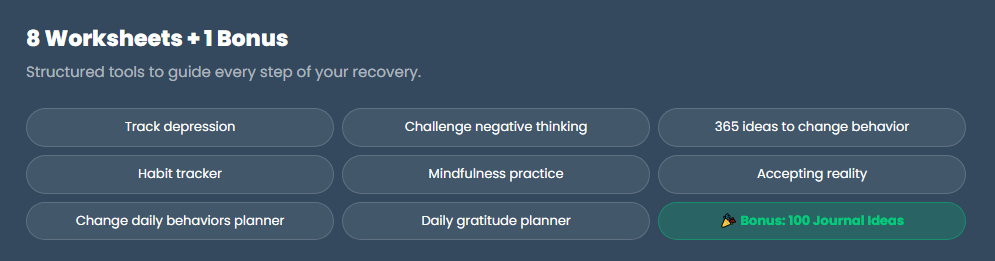
According to the official course page, Rise From Depression is a self-guided program by Nathan Peterson, a licensed clinical social worker, built around evidence-based methods like CBT, behavioral activation, mindfulness, and structured worksheets. The page says it includes 13 video lessons, 8 worksheets, bonus journal prompts, lifetime access, and a one-time price of $147. It also says very clearly that it is not a substitute for licensed therapy, especially for severe depression or crisis situations. That part matters, maybe more than the flashy parts.
So let’s get into the worst advice floating around Rise from depression Reviews, especially the kind USA readers keep running into in 2026, and then let’s drag that advice by the ankle across the pavement.
| Feature | Details |
|---|---|
| Product Name | Rise From Depression |
| Type | Self-guided online depression course |
| Creator | Nathan Peterson, LCSW |
| Main Approach | CBT, behavioral activation, mindfulness, self-compassion |
| Format | 13 video lessons + 8 worksheets + bonus journal ideas |
| Access | Lifetime access |
| Price Mentioned on Sales Page | $147 one-time payment |
| Retail / Checkout | Official page references ClickBank as retailer |
| Best For | Adults wanting structured self-help tools |
| Not For | People in crisis needing immediate in-person support |
| Main Claims in Reviews | “Highly recommended,” “reliable,” “not a scam,” “helpful tools” |
| Risk Factor | Unrealistic expectations, effort required, self-guided format may not suit everyone |
| USA Relevance | Appeals to USA buyers looking for lower-cost, flexible mental health learning options |
1. “Just Think Positive and Stop Feeding the Negativity”
Oh wow. Amazing. Somebody call the Nobel committee.
This advice has survived for years because it sounds neat and disciplined. It fits on a coffee mug. It can be shouted by a relative at Thanksgiving in the USA between turkey and political arguments. But it falls apart the second you look at it too hard. Depression is not just “oops, too many sad thoughts.” If that were true, half the country would be cured by one Pinterest quote and a walk near a lake.
People with depression usually already know their thinking is dark, repetitive, harsh, distorted, all of that. That awareness doesn’t instantly switch it off. Knowing your smoke alarm is loud does not stop the fire. And honestly, “just think positive” often makes people feel worse, because now they think they are failing at having thoughts too. Terrific. Very efficient way to multiply pain.
What’s wrong with this advice
It confuses a symptom with a switch. It assumes thoughts obey simple commands. They don’t. Not usually. Not when depression has been chewing on someone’s energy, self-worth, routine, and focus for weeks or months or longer.
What makes more sense
The official Rise From Depression course says it teaches users to identify and challenge negative thinking patterns through CBT in a practical way, not in a fluffy quote-of-the-day style. That is a far more believable approach. Not glamorous, but believable. You learn the pattern, question it, interrupt it, practice something else. Boring? A little. Useful? More likely.
A lot of Rise from depression Reviews mention the structure as a selling point, and that tracks with the official course description. Structure is underrated. It doesn’t trend well, but it does help.
2. “Wait Until You Feel Motivated. Then Start”
This one is my personal favorite, mostly because it is so quietly destructive.
Waiting for motivation when you’re depressed is like waiting for a toaster to give career advice. You can wait. Sure. But the result will probably be weird, late, and disappointing.
People in the USA hear this all the time. Start when you’re ready. Start when it feels right. Start when you get your spark back. Sounds gentle. Kind of poetic, almost. But depression often steals the exact spark people are told to wait for. So they sit there, day after day, thinking they need motivation first, while the lack of action makes everything flatter and heavier. Then flatter still. Like wet cardboard in a storm drain. That image came to me suddenly, but it fits.
What’s wrong with this advice
It turns recovery into a hostage negotiation with a feeling that may not show up on schedule. Or at all.
What makes more sense
Behavioral activation. That’s one of the core methods listed on the official page for Rise From Depression. The idea is not “feel better, then do things.” It’s closer to “do small meaningful things, and let movement begin to loosen the mental rust.” Again, not magic. But more grounded. The course specifically says depression thrives in sameness and teaches users to change what they do step by step to build momentum and habits that stick.
This is where many Rise from depression Reviews will probably land for USA buyers: if you need a passive miracle, this won’t be it. If you can tolerate structure and repetition, then maybe. Maybe more than maybe.
3. “If You Need a Course, Therapy, or Help, You’re Weak”
Let’s say this plainly. That idea is stupid.
And not just a little stupid. It’s the kind of stupid that dresses itself up as toughness. It’s the emotional equivalent of a rusty truck with loud exhaust and no brakes. Some people in the USA still worship this nonsense, the whole “deal with it yourself” script, as if suffering in silence turns pain into character. It doesn’t. It just makes pain lonely.
Depression already isolates people. Shame adds another lock on the door. So when someone says needing a course or therapist means weakness, they’re not being strong. They’re being careless with somebody else’s life.
What’s wrong with this advice
It treats support like failure. But support is often the beginning of honesty. And honesty, even clumsy honesty, beats fake toughness every time.
What makes more sense
Choose the kind of help that fits the severity and reality of your situation. The official Rise From Depression page presents the product as a self-guided educational tool, not a replacement for proper care in severe cases. It also says the course is not for people in crisis who need immediate in-person clinical support. That limit is actually reassuring. A lot of shady products pretend to be everything. This one, at least on the official page, does not.
So when people search Rise from depression Reviews and ask, “Is it a scam?” I think the cleaner question is, “Does it overclaim?” From the official material, it doesn’t look like it overclaims wildly. It looks restrained, maybe intentionally so. That’s better than chest-thumping miracle talk.
4. “Go for a Run, Drink Water, Take a Deep Breath, Problem Solved”
I’m not anti-water. Just to be clear. Hydration is fine. Water has done some very good work over the years.
But this advice, the way it gets handed out online, is absurdly thin. It’s like offering a paper napkin to stop a roof leak. Exercise can help mood. Mindfulness can help. Sleep routines matter. Physical health matters. None of that is fake. What’s fake is pretending those things alone are a full depression plan for every person in the USA from Boston to Boise.
Sometimes this advice comes from people who mean well. Sometimes it comes from people who want to sound helpful without doing the hard work of understanding anything. The result is the same. Oversimplification. And oversimplification feels almost insulting when somebody can barely shower or answer texts.
What’s wrong with this advice
It reduces a layered problem into a lifestyle slogan. Then, when the slogan doesn’t work, the person suffering feels like they must be the problem. No. The slogan was the problem.
What makes more sense
A layered response. The official course page says Rise From Depression includes lessons on physical self, negative thinking, mindfulness, gratitude, self-compassion, and roadmap planning, along with worksheets and tracking tools. So instead of throwing one habit at you and running away, it tries to provide a structured sequence. That does not guarantee results, obviously, but it is more serious than “drink water and manifest joy.”
That layered approach is one reason Rise from depression Reviews may keep getting attention in the USA. Therapy is expensive for many people. Time is tight. Privacy matters. A guided course feels easier to try than a giant life overhaul. Not perfect, easier.
5. “Anything Sold Online Is Either a Miracle or a Scam”
The internet loves extremes. Especially USA internet culture. Best ever. Worst ever. Life-changing. Fraud. Genius. Trash. Everyone speaks like a movie trailer now, and it gets old.
When it comes to digital mental health products, the truth usually sits in a less dramatic place. A course can be real and still not be right for everyone. A product can be useful and still disappoint some buyers. A seller can be legitimate without being magical. Nuance does still exist, despite the algorithm’s ongoing war against it.
What’s wrong with this advice
It kills critical thinking. If you assume every product is either a miracle or a con, you stop asking normal questions.
What makes more sense
Look at the basics. Who made it. What does it actually include. Are the claims measured. Are the limits stated. Is the retailer disclosed. On the official page, Rise From Depression names Nathan Peterson, lists the teaching methods, the lesson count, the worksheets, the price, and references ClickBank as the retailer. It also includes support and order language and says testimonials do not guarantee the same results for everyone. Those are decent signs of transparency.
That still doesn’t mean every glowing Rise from depression Reviews post should be trusted blindly. People exaggerate. Affiliates exaggerate more. Humans are dramatic animals. But the official offer itself appears to be a real course, not a mystery box with a patriotic logo and false urgency.
6. “If It Doesn’t Work Instantly, It Doesn’t Work at All”
This one is modern, impatient, and very American in the worst possible way.
Everything now has to be immediate. Same-day shipping. Same-hour delivery. Ten-second clips. Thirty-day transformations. So when people buy a course and don’t feel like a different person by lesson three, they panic, or rage, or leave a review written like they’ve been personally betrayed by the moon.
But depression work is usually slower than that. Annoyingly slower. Embarrassingly slower, even. A person can learn something accurate before they feel anything dramatic. They can understand the cycle before they break the cycle. That middle space is frustrating. And real.
What’s wrong with this advice
It treats healing like a vending machine. Insert money, receive emotional daylight. That’s not how this goes.
What makes more sense
Measured expectations. The course page frames Rise From Depression as a step-by-step process, with guided lessons and worksheets designed to help users understand depression and build tools over time. That’s an educational model, not an instant relief button.
If I were judging Rise from depression Reviews with a cold eye, that would be one of my first filters. Any review promising a complete life flip in a few days sounds suspiciously theatrical.
7. “Self-Guided Means Effort-Free”
This advice isn’t always spoken out loud, but buyers often think it.
They see “self-paced” and imagine “easy.” They hear “online course” and picture a few videos, a spark of hope, maybe a nice PDF, and then poof, emotional renovation. No, not really. Self-guided means you’re the one who has to show up. Not your coach. Not your therapist. You.
That can be empowering. It can also be annoying. Some nights you will not feel like doing worksheets. Some mornings you will open a lesson and think, not today, I would rather stare at the wall and let the ceiling fan judge me. I get it. Well, not from personal product use here, but as a very human reaction, yes.
What’s wrong with this advice
It creates fake expectations about effort. Then effort feels like betrayal instead of part of the process.
What makes more sense
Buy a self-guided course only if you’re willing to actually use it. The official page more or less says the same thing in cleaner language. It says the course is for people who want structured tools and are ready to learn and do the work, even when it’s hard. It also says it’s not for people looking for a passive fix with no effort required. Frankly, that’s one of the most believable lines on the whole page.
And in a world full of padded sales copy, believable is refreshing.
So What Is the Real Take on Rise from depression Reviews in the USA?
Here’s my blunt read.
The product, based on the official information, appears to be a legitimate self-guided depression course by a licensed therapist, with a defined structure, worksheets, video lessons, lifetime access, and measured disclaimers. It does not appear, from the official page, to be selling itself as a miracle cure or as a substitute for care in severe situations.
That is the good news.
The less shiny news is that this kind of product still depends on fit. If someone in the USA wants a low-cost, private, flexible starting point with evidence-based ideas, the appeal is obvious. If someone wants hand-holding, crisis support, or instant transformation, then no, this is probably not the right tool. Again, not because it’s fake. Because it’s a course. A course cannot be a therapist, an emergency service, a best friend, and a total life rewrite all at once. Nothing honest can.
When I read many search phrases around Rise from depression Reviews, I notice the same emotional tug every time. People don’t just want product details. They want relief. They want reassurance that they are not about to waste money, time, hope. That’s the real purchase question. And no affiliate headline screaming “100% legit” can answer that responsibly. What can answer it, partly, is whether the product is transparent, structured, and realistic. On those points, the official page does a better job than a lot of digital products do.
Ignore the Loudest Nonsense
You do not need louder advice. You need cleaner advice.
Ignore the people saying depression is just negativity. Ignore the keyboard warriors who think shame is therapy. Ignore the wellness parrots repeating the same five habits like they discovered oxygen. Ignore the fake urgency, the fake certainty, the fake confidence. It’s exhausting. And weirdly hollow, like yelling into a cereal box.
What usually helps is less glamorous. More method. More honesty. More repetition. More patience than most people want to hear about. That’s not sexy copy, I know. But it is closer to the truth.
So if you’re searching Rise from depression Reviews in the USA and trying to cut through the noise, here’s the short version: the official product looks like a real self-guided course with real structure and real limits. Not magic. Not nothing. Somewhere in that very unexciting, very important middle.
And sometimes that middle is exactly where progress starts.
FAQs
1. Is Rise From Depression a scam or a real product?
Based on the official page, it appears to be a real online course created by Nathan Peterson, LCSW, with video lessons, worksheets, and ClickBank listed as the retailer. That said, “real product” does not mean “perfect for everybody.” Two different things.
2. What do most Rise from depression Reviews focus on?
Most likely, people focus on whether it feels practical, whether the structure is helpful, whether the course is worth $147, and whether a self-guided format is enough for their needs. That’s usually where the real tension lives. Not in flashy slogans, in fit.
3. Is Rise From Depression suitable for people in crisis in the USA?
No. The official page says it is not for people in crisis who need immediate in-person clinical support. That warning should be taken seriously, not skimmed over in a hurry.
4. What is included in the course?
According to the official page, it includes 13 video lessons, 8 worksheets, bonus journal ideas, lifetime access, and lessons built around CBT, mindfulness, behavioral activation, gratitude, self-compassion, and related tools.
5. Why are Rise from depression Reviews getting attention from USA buyers?
Because many USA buyers are looking for lower-cost, flexible, private mental health tools they can use on their own schedule. Therapy access can be expensive or uneven, so a structured self-guided course naturally gets attention. But attention and suitability are not always the same thing. That’s the part people forget.